Biography
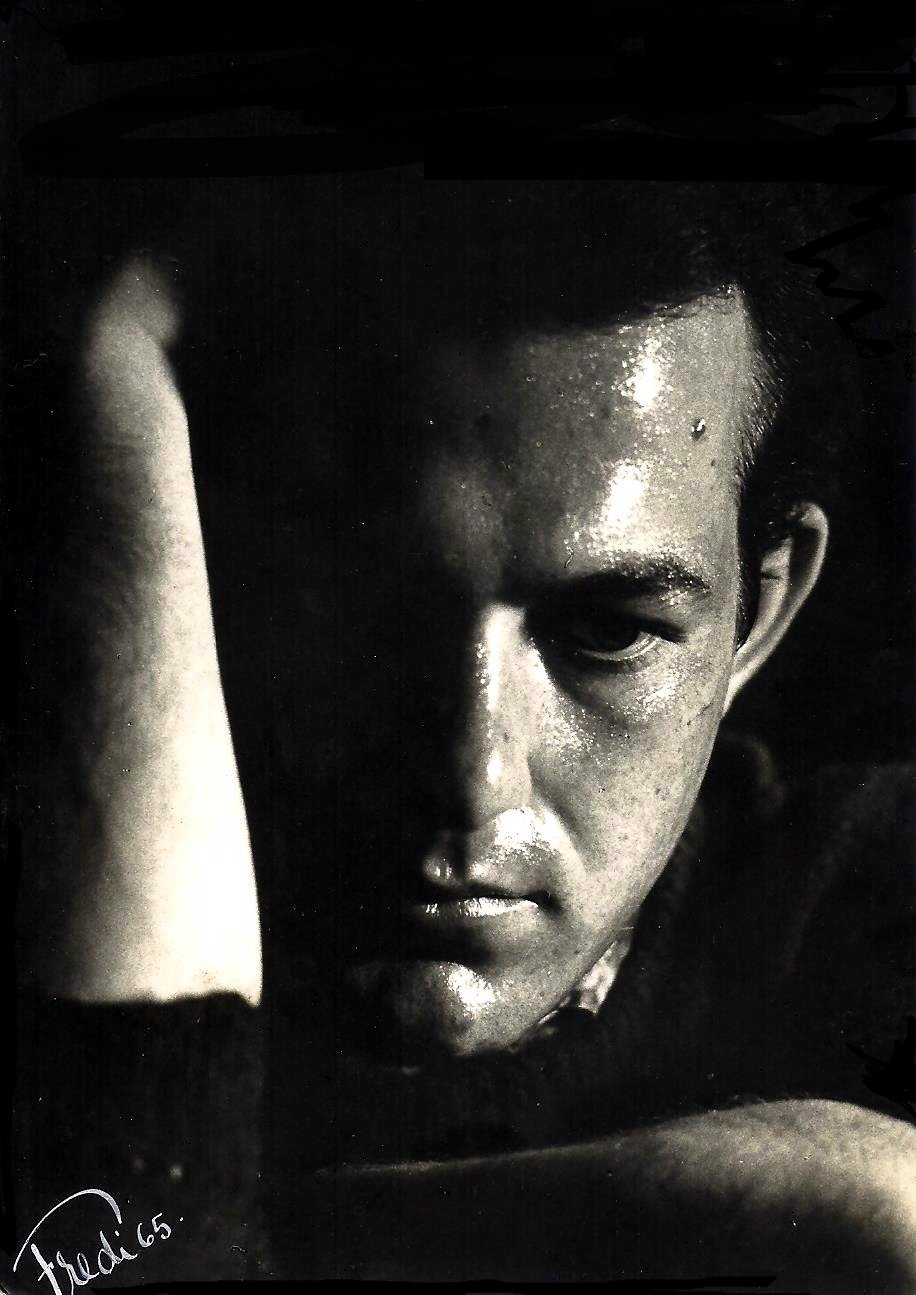
He just wanted to paint! Painting, always! Regardless of the subject! In this way, the Brazilian artist Solano Finardi explained his plans on one occasion. The almost 70 years dedicated to painting do not allow one to attribute only one label to his work.
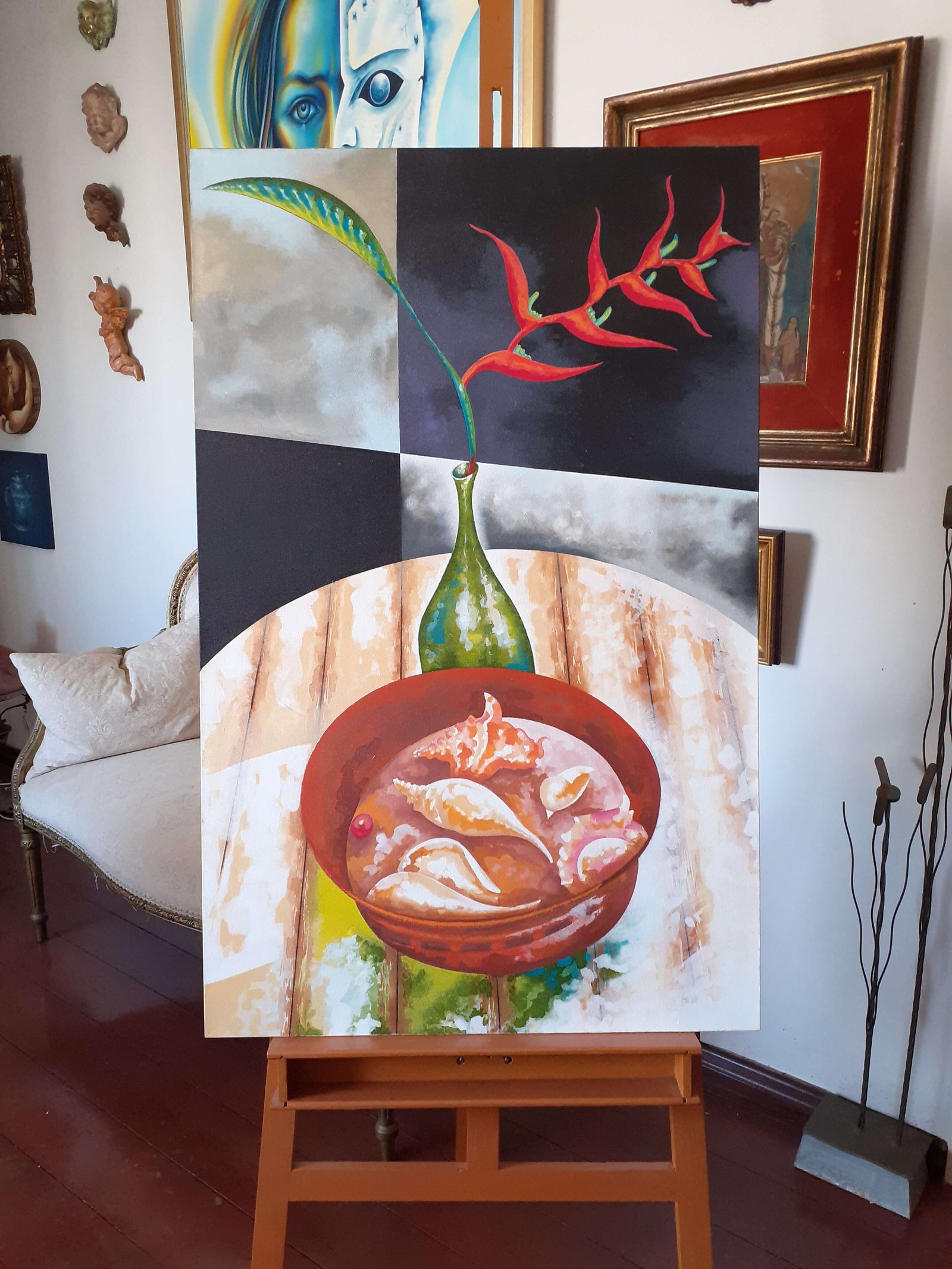
Solano moved between the various genres of painting, from abstract surrealism to figurative art. Sometimes in soft tones, sometimes quite colorful, his paintings register the human body, still life, religious motifs, self-portraits and countless portraits of national and international celebrities, among many others subjects.
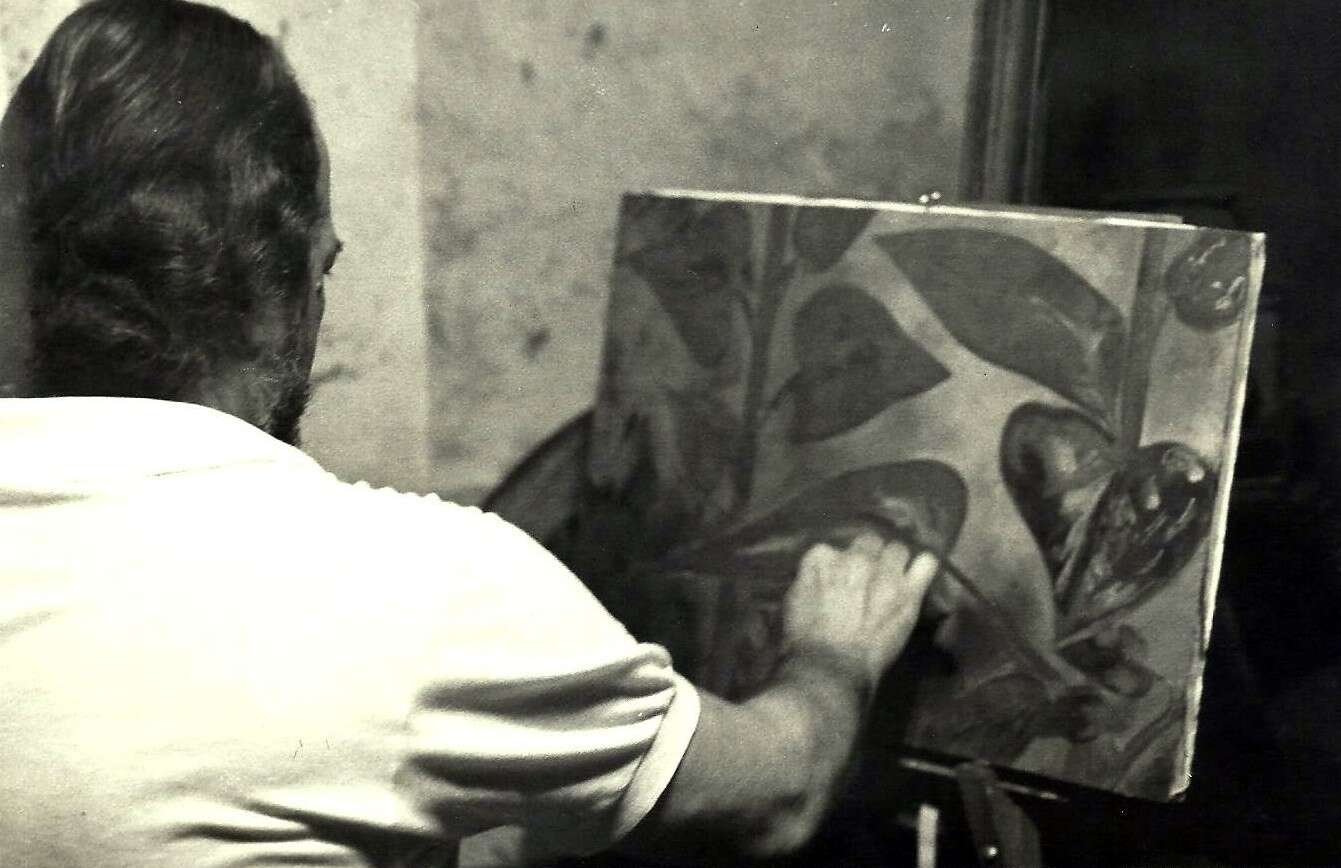
Solano Finardi was born on December 27, 1938, in the town of Passo Fundo, in the state of Rio Grande do Sul, Brazil. He developed a taste for art under the influence of his mother, Genny, who was also a painter. The first brushstrokes emerged early, at the age of 8. In the mid-1950s, he was a student at the Methodist Educational Institute of Passo Fundo, attending Scientific, equivalent to current high school. In his hometown, he also attended the Faculty of Fine Arts, but ended up not completing the course to make a career in the center of the country, in the early 1960s.
“The portrait is a work done by two, the one who poses and the one who paints.“

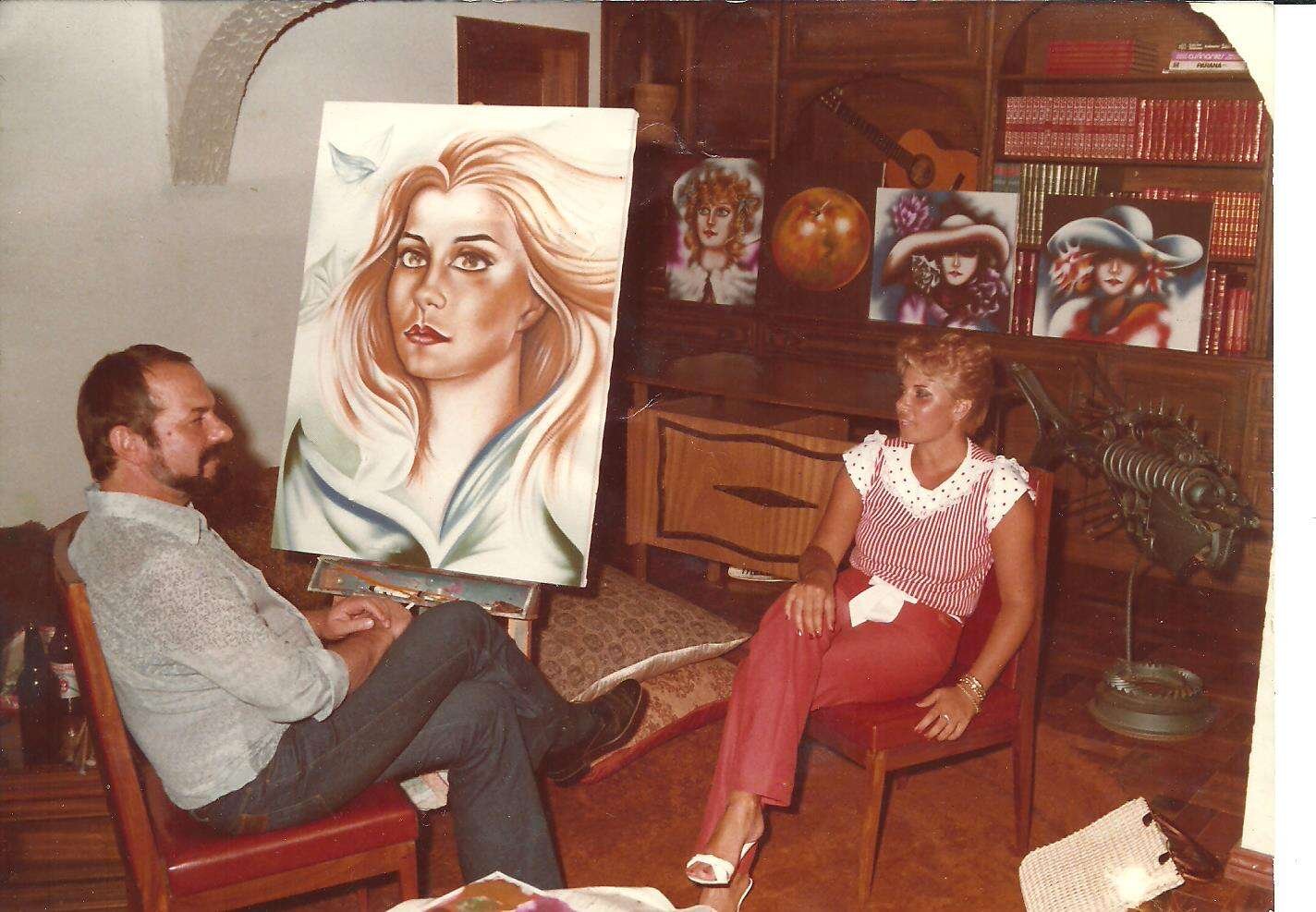
Despite the wide diversity of his production, Solano's fascination was in painting portraits, one of the only constants in his career. And the eyes of those portrayed always gained an important dimension in his works. The painter's fascination with portraits stemmed from his fascination with the human being, but the endeavor always brought with it a great challenge, since Solano considered the portrait the target of greatest criticism. “The portrait is a work done by two, the one who poses and the one who paints”, said.
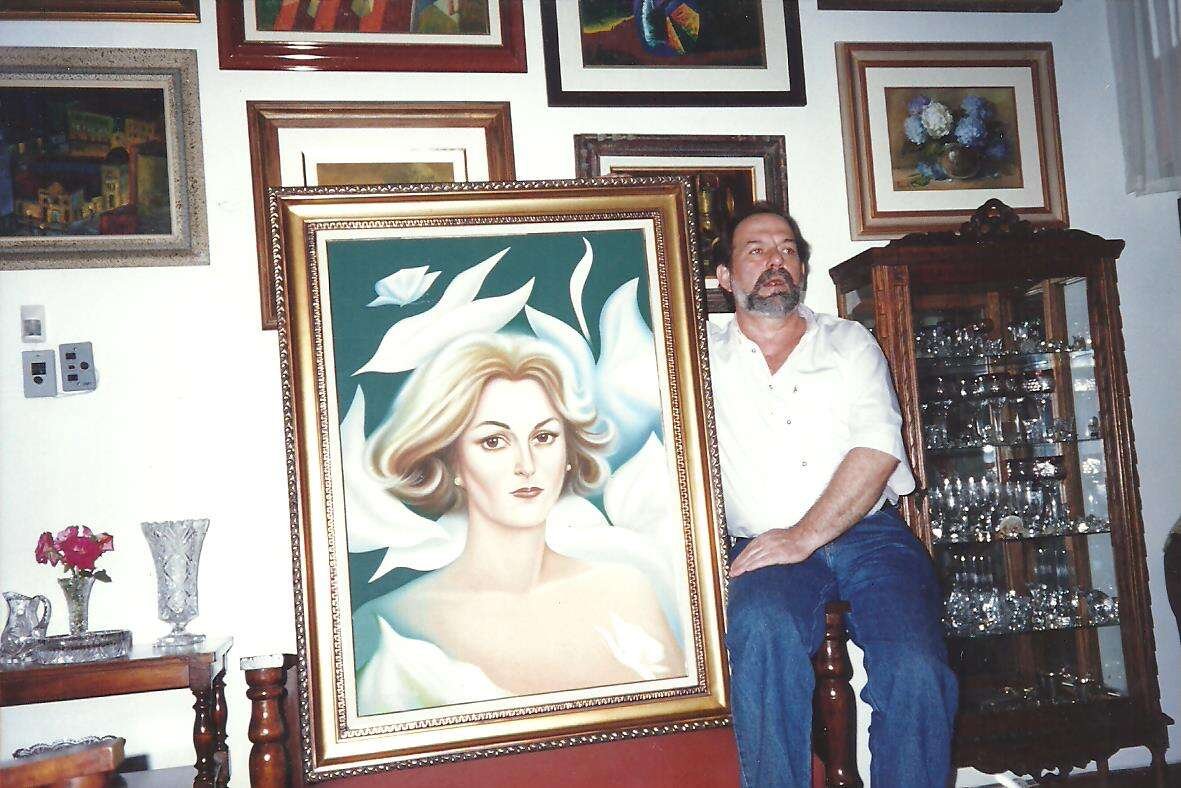
Each portrait required, on average, ten hours of interaction with its model. Among the countless portrayed are Brazilian names such as the writer and playwright Nelson Rodrigues, the writer Clarice Lispector, the actresses Elke Maravilha and Tônia Carrero, the poet Guilherme de Almeida, the singer Maysa Matarazzo, the prince Juan de Bourbon and the German Veruschka, one of the main models in the fashion world in the 1960s/1970s. Solano also enjoyed self-portraits, having produced more than a dozen of them.
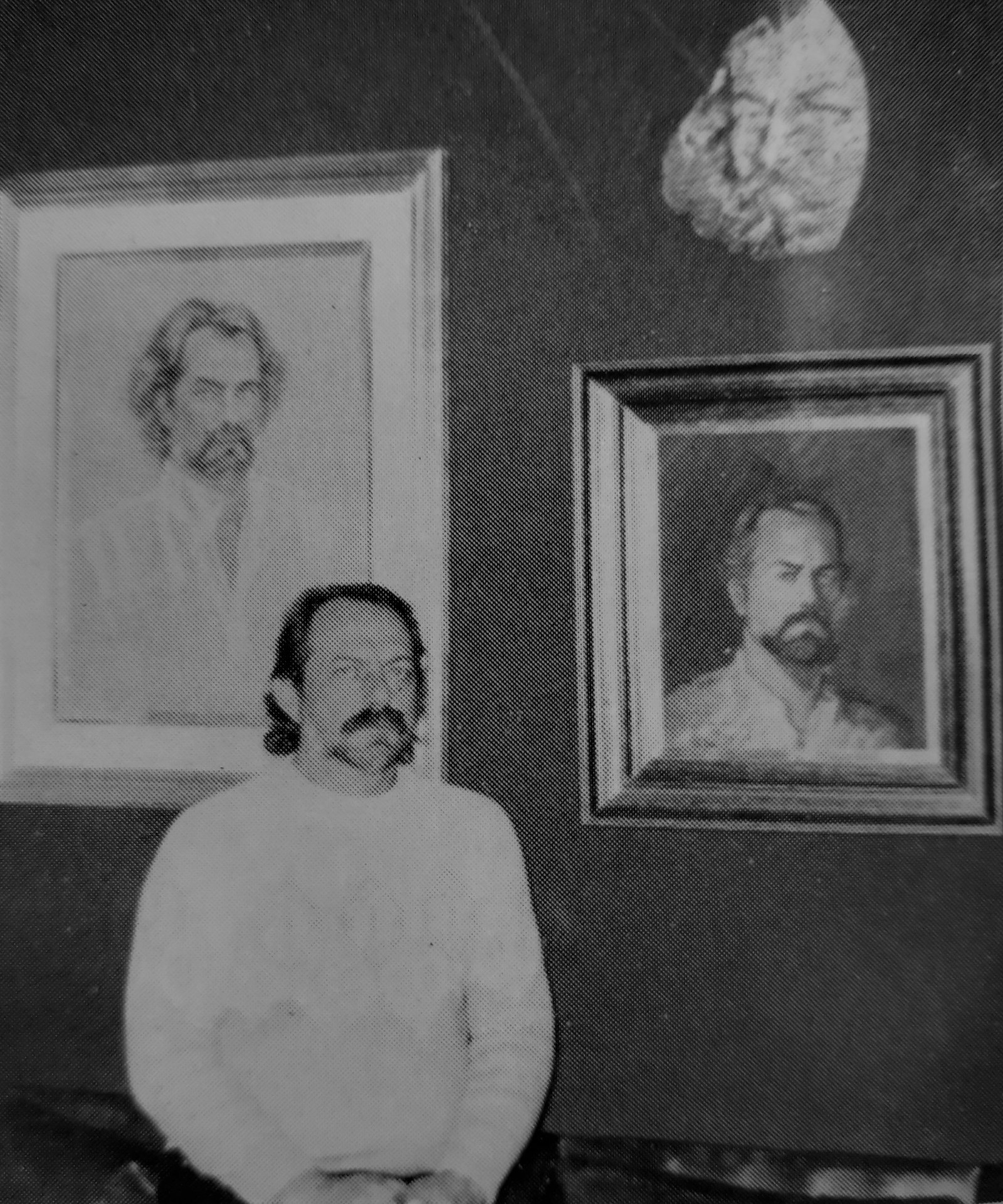
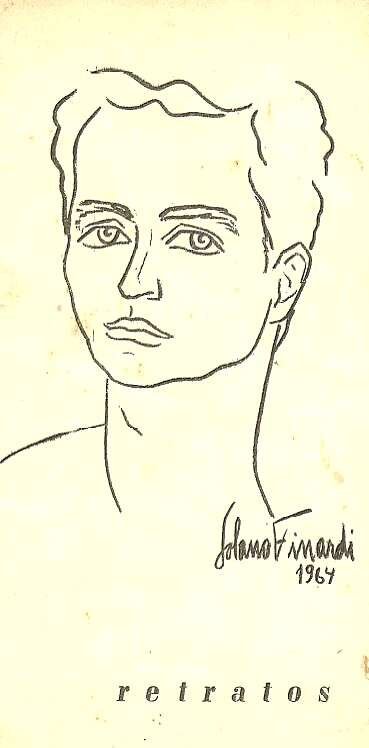
In 1963, Solano was already exhibiting at the Salão Paulista de Belas Artes, an important cultural space, that helped to reveal and establish great names in the Brazilian art, such as Tarsila do Amaral, Guignard, Victor Brecheret, Anita Malfatti and Alfredo Volpi. A year later, Solano won his first solo exhibition at João Sebastião Bar, where he presented 38 portraits of expressive people from São Paulo at the time. The premiere location was considered the temple of Bossa Nova in São Paulo, frequented by exponents of Brazilian music, like Chico Buarque, João Gilberto, Toquinho, Arthur Moreira Lima, Hermeto Pascoal and Geraldo Vandré. The clientele of João Sebastião Bar was also exclusive, with tables disputed even by Hollywood actors, such as Kirk Douglas.
In the mid-1960s, Solano climbed spaces in important collective painting exhibitions in the mains capitals of Brazil, such as the “Twelve Painters Surrealists”, at Galeria Edifício Itália, in São Paulo, and the “Four Facets of Surrealism”, at Piccola Galleria, in Rio de Janeiro. The late 1960s culminated with his participation in the National Salon of Modern Art, at the Museum of Modern Art in Rio de Janeiro. He algo got an honorable mention at the X Biennial of the Museum of Modern Art of São Paulo. Among almost 700 artists, from 57 countries, and more than 2,500 works, Solano's painting stood out in the Fantastic Arts Room, at the X Biennial, being classified as a “visceral erotic surrealism”.
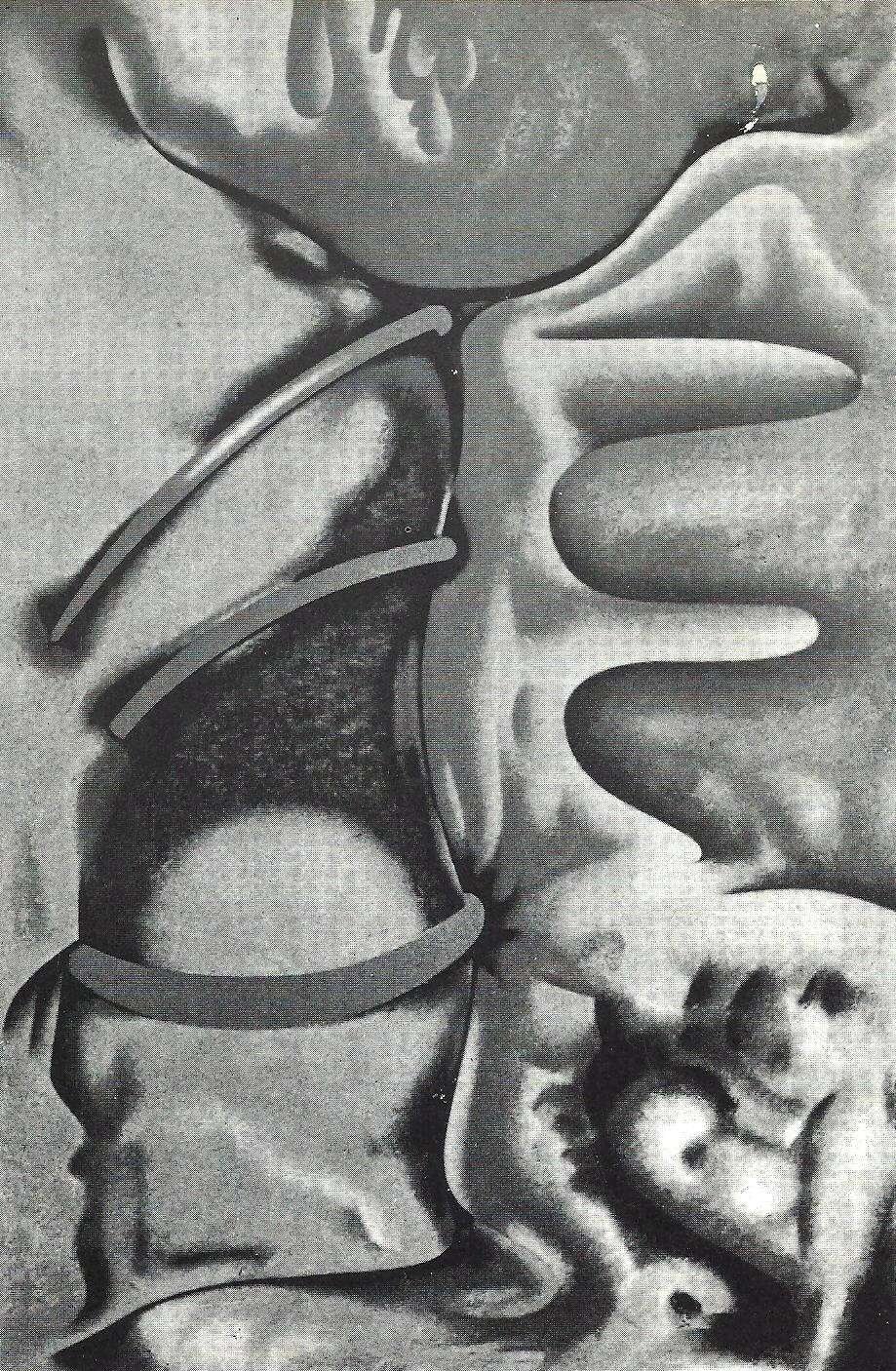
An important art critic at the time, the Russian Marc Berkowitz, defined the new artist who was emerging. “Solano appeared spectacularly at the X Biennial, mastering the oil technique. He paints without subterfuge or trickery, making an impact with the violence of colors, the visceral sensualism of abstract forms, the climate of the senses in explosion. A personal, strong painting, with violent content, on the way to synthesis and despoiling.” It was in 1969 that Solano was quoted in the Arts Magazine, an important art magazine of New York.
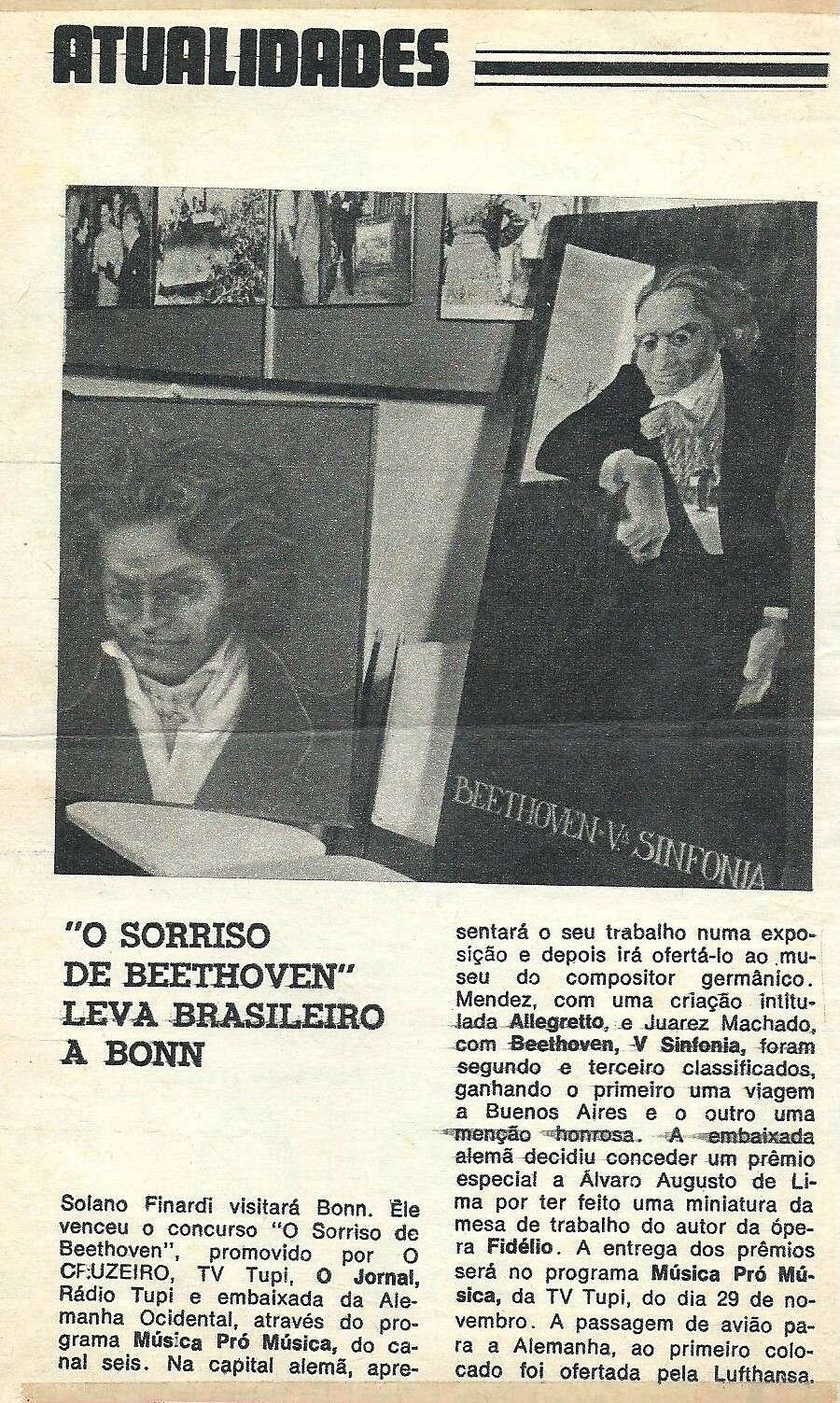
In 1971, Solano got another important award, in the contest “O Sorriso de Beethoven” (The Beethoven´s Smile), which provided him with a trip to Bonn, Germany, the birthplace of the composer famous for his symphonies. There, Solano could offer his painting to Beethoven-Haus Museum, a space that brings together one of the most important collections about the German composer.
Back to his home state, at the end of the 1970s, Solano settled in the capital, Porto Alegre, where he participated in collective and individual art exhibitions. He also produced portraits of important members of Porto Alegre society. In the 1980s, Solano was invited to teach a painting course at the Faculty of Fine Arts, at the University of Passo Fundo, for six months. The return to his origins gave the painter the opportunity to make important records of his countrymen.
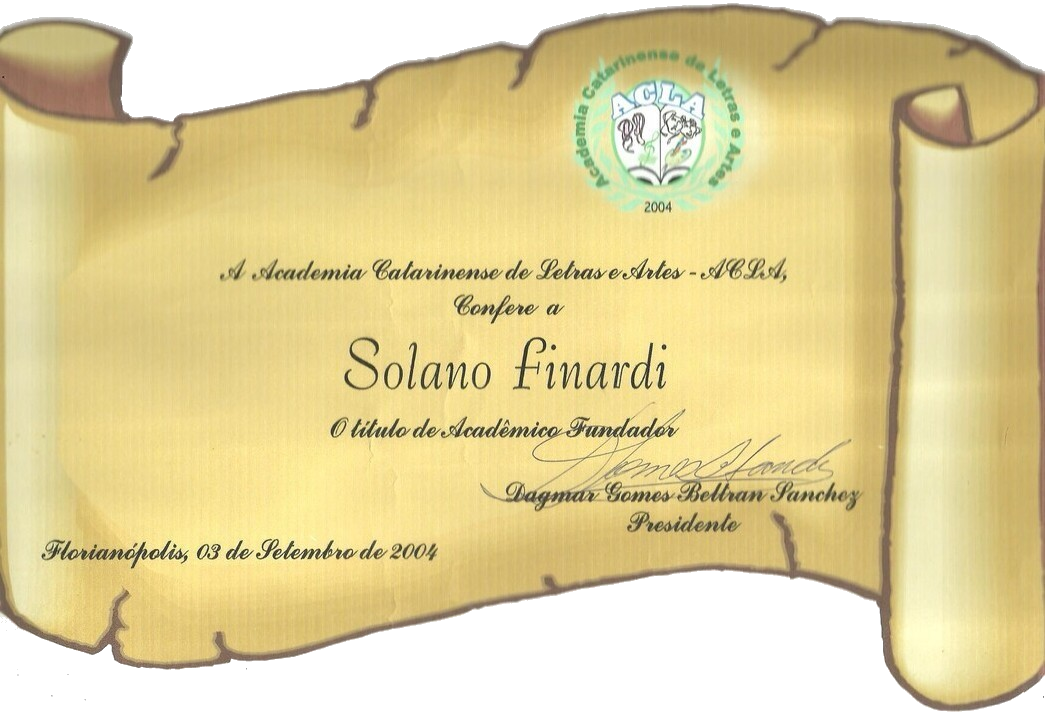
Moving cities was a constant in the life of the artist from Rio Grande do Sul, who after living in São Paulo, Rio de Janeiro and returning to his home state, settled in Balneário Camboriú, on the coast of Santa Catarina, in the 1990s. In each city, he portrayed the representatives of the local society. Still living in Santa Catarina, in 2004, Solano received the title of Founding Scholar, from the Catarinense Academy of Letters and Arts, in the capital Florianópolis.
In one of the few interviews he gave throughout his life, Solano stated that, unconsciously or not, he was permanently reinterpreting his work. And he cited some of the artists he admired, such as the Irishman Francis Bacon, for his technical language. He also appreciated the realism of Candido Portinari; the lyricism of Guignard; the sensualism of Di Cavalcanti and the technique of Reynaldo Fonseca, all of them from Brazil. Other Brazilian artists highlighted by Solano were also Luiz Jasmin, Carlos Bastos, Albery Seixas da Cunha e Darcy Penteado.
In addition to painting, Solano also dedicated himself to teaching – among his distinguished pupils were the humorist from Ceará Chico Anysio and the plastic artist from Rio Grande do Sul Paulo de Siqueira. Classical music and jazz were also present in the life of the painter. It was to the sound of lyrical singers, such as the Greek-American Maria Callas and the Peruvian Yma Sumac, that Solano liked to paint. Or, also, listening to American jazz singers Nina Simone and Eartha Kitt.
With a very private life, Solano found in Mina (Horminia Borges Soares) one of the great supports for the development of his art. In 2010, Solano moved back to Porto Alegre, the capital of Rio Grande do Sul, where he remained until his death, on May 2, 2019, at age 80.
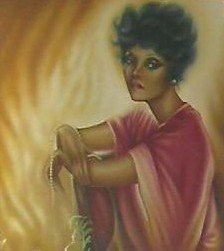 Mina's portrait